HOME /NEWS & BLOGS /Article for Popularizing Knowledge /How to Identify Genuine Toyota and Lexus Parts: A Complete Buyer's Guide /
How to Identify Genuine Toyota and Lexus Parts: A Complete Buyer's Guide
2026-05-23
When it comes to maintaining the performance, safety, and longevity of your Toyota or Lexus vehicle, the quality of replacement parts is non-negotiable. As a trusted Chinese supplier of genuine Toyota and Lexus parts, we understand that one of the biggest concerns for car owners and repair shops is accidentally purchasing counterfeit or substandard components. Counterfeit parts not only compromise vehicle safety but also lead to higher long-term costs due to premature failure.
To help you make informed purchasing decisions, we have compiled this essential guide based on expert recommendations. Follow these seven steps to ensure you are always buying authentic original parts.
1. Check the Packaging Carefully
Authentic Toyota and Lexus parts come in high-quality, branded packaging. Genuine Toyota boxes typically feature the Toyota logo, a consistent color scheme (often white, red, and black), and clear, smudge-free printing. Lexus parts usually carry the Lexus emblem and a premium finish. If the packaging looks dull, has misspelled words, cheap tape, or lacks proper branding, it is a major red flag. Always inspect for signs of repackaging or poor sealing.
2. Verify the Part Numbers
Every genuine Toyota or Lexus component is assigned a unique 10-digit part number (e.g., 90915-YZZF1 for an oil filter). This number must exactly match the one listed in your vehicle’s service manual or the official Toyota/Lexus parts catalog. Counterfeiters often use incorrect, missing, or altered part numbers. You can cross-check the number on the packaging and the part itself. If the numbers do not align, or if the font looks irregular, do not proceed with the purchase.
3. Examine the Quality and Finish
Original parts are manufactured under strict quality control standards. A genuine Toyota or Lexus part will have smooth edges, consistent coloring, and precise mold lines without burrs, cracks, or rough surfaces. Metal components will have uniform coatings, while rubber parts (like seals and hoses) will feel flexible and durable, not brittle or sticky. In contrast, counterfeit parts often show poor craftsmanship, uneven surfaces, and cheap materials that wear out quickly.
4. Purchase from Authorized Dealers or Reputable Suppliers
The safest way to avoid fakes is to buy from authorized dealers. However, as a reliable Chinese supplier of genuineparts, we know that many international buyers source from verified distributors like us. Always choose a supplier who can provide traceable invoices, original packaging, and a clear company history. Be cautious of unknown online marketplaces offering “genuine” parts at suspiciously low prices.
5. Look for Holograms and Security Features
Toyota and Lexus have introduced advanced anti-counterfeiting measures on many parts and their packaging. Look for holographic stickers, laser-etched logos, QR codes, or microtext that is difficult for counterfeiters to replicate. Some newer parts include a tamper-evident seal. If a part lacks these modern security features when it should have them, it is likely fake. Use a smartphone to scan any QR code and verify the part’s authenticity on the official Toyota/Lexus portal.
6. Consult Your Vehicle’s Service Manual
Your vehicle’s service manual is the ultimate reference. It contains not only the correct part numbers but also diagrams and specifications unique to your model. Before buying any component, compare the part with the illustration in the manual. Pay attention to dimensions, bolt hole locations, and material descriptions. If the part does not match the manual’s details—even by a few millimeters—it is not the correct original component.
7. Seek Professional Advice and Be Wary of “Too-Good-To-Be-True” Prices
If you are ever uncertain, ask a certified mechanic or a knowledgeable parts specialist. Professionals handle genuine parts daily and can quickly spot inconsistencies. Finally, trust your instincts regarding pricing. Genuine Toyota and Lexus parts hold their value because of superior materials and R&D. If a deal looks too good to be true—for example, a 60% discount on a high-demand part—it almost certainly is a counterfeit. Low prices often lead to high risks, including part failure, reduced safety, and voided warranties.
Conclusion
Identifying genuine Toyota and Lexus parts requires attention to detail, but the effort is well worth it. Authentic components ensure your vehicle performs as designed, protects your family’s safety, and maintains its resale value. As a dedicated Chinese supplier of original OEM parts, we pride ourselves on providing only verified, factory-sealed Toyota and Lexus components. We invite you to browse our catalog with confidence—every part we sell meets the strict quality standards outlined above.
Drive safely, choose genuine.
Seasonal Fuel Pump Failures: Why Summer Heat and Winter Low Fuel Levels Kill Geely Fuel Pumps
Weak Spark, No Codes: When a Geely Ignition Coil Fails Slowly and How to Catch It
Related Article

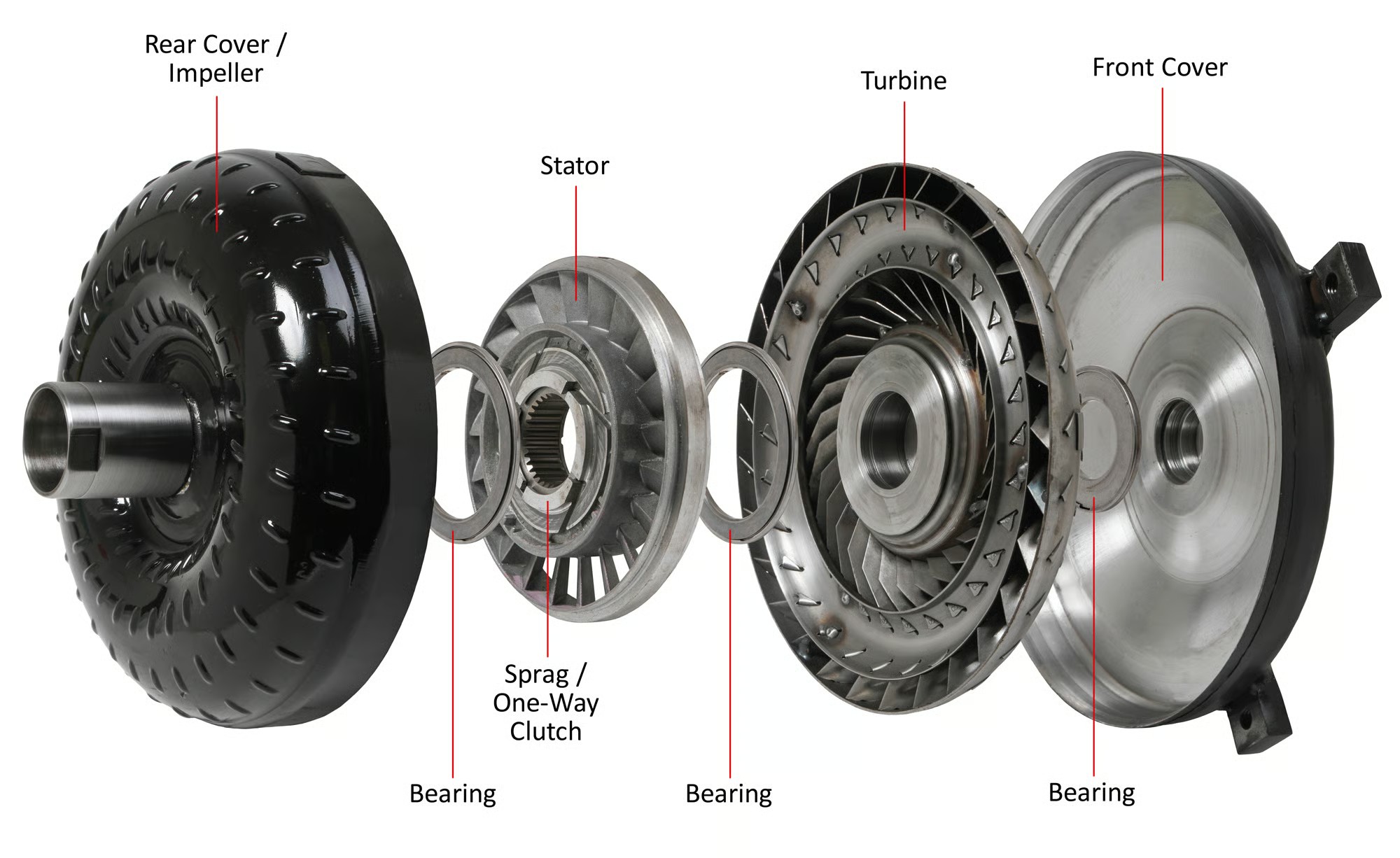
This article covers the torque converter's function, lock‑up clutch operation, and key failure signs such as shuddering, slipping, and error code P0741. It also discusses why genuine Toyota converters outperform aftermarket options, offering better reliability and fit. Choosing OEM saves you from costly rework and ensures long service life.
Genuine Toyota Torque Converter – Precision Engineering for Your Automatic Transmission