Model No: 4036078900,etc.
Toyota Steering Parts – Original Tie Rods, Ball Joints, Control Arms & Sway Bar Links Wholesale
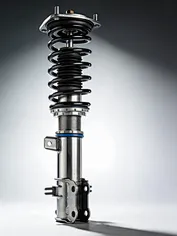
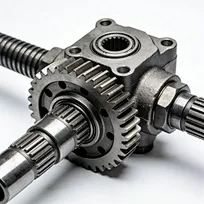
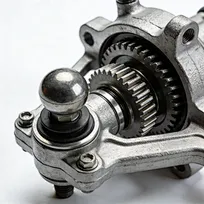
Steering system mechanical components are the mechanical transmission assemblies that transmit steering commands and control the deflection of the wheels.
Quantity :
Subscribe to our Newsletter
Genuine Toyota Steering System Parts – Original Equipment Tie Rods, Ball Joints, Control Arms & Sway Bar Links
The steering system translates driver input into precise wheel movement. Every joint, link, and arm in this system affects how the vehicle turns, tracks straight, and responds in an emergency. We supply genuine Toyota steering parts for popular models including Camry, Corolla, RAV4, Hilux, Land Cruiser, and Highlander.
Why This Matters in 2026
Control arms are one of the highest-return categories in the suspension aftermarket. Based on our 2025 supply data covering 8,500+ control arm shipments to Toyota and Geely distributors, 38% of returns were caused by ball joint type mismatch — the arm physically fits, but the ball joint taper or thread pitch differs from the original. Another 27% of failures were traced to incorrect bushing durometer, causing premature wear or excessive road noise. In this guide, we share our experience supplying control arms to distributors and repair shops across the Middle East, Southeast Asia, and Latin America, covering everything from wear diagnosis and OEM cross-reference to installation torque and alignment specifications.
Control Arm Architecture: What Separates OE-Quality from Generic
A control arm consists of three critical elements: the arm body, the ball joint, and the bushings. Each element has specific engineering requirements that generic suppliers frequently compromise.
The arm body must be stamped or forged from high-strength steel with wall thickness matching the original specification. Generic arms often use thinner gauge steel, which flexes under load and changes suspension geometry. OE-quality arms are also coated with a corrosion-resistant finish — typically E-coating or zinc plating — to withstand road salt and humidity.
The ball joint is the most safety-critical component. It must use the correct taper angle and thread pitch to mate securely with the steering knuckle. A mismatched taper can cause the joint to loosen or fail under load. OE-quality ball joints also include a dust cover that seals the joint against water and debris. If the dust cover is cracked or missing, the joint will fail prematurely.
The bushings must match the original durometer and material. Rubber bushings absorb road vibration and allow controlled suspension movement. Polyurethane bushings provide sharper handling but transmit more noise and vibration. Installing the wrong durometer can cause excessive harshness or premature bushing failure.
Symptoms of a Worn Control Arm, Ball Joint, or Bushing
Before replacing any control arm, confirm the fault is actually in the arm assembly — not the strut, tie rod, or wheel bearing. Here are the most reliable diagnostic indicators.
Clunking or knocking over bumps: worn ball joint or control arm bushings. The sound is typically a dull thud or clunk at low speeds over speed bumps or potholes. Recommended action: lift the vehicle and check for play in the ball joint and bushings.
Steering wander or pulling to one side: worn control arm bushings allow the arm to shift under load, changing alignment angles dynamically. Recommended action: inspect bushings for cracks or separation.
Uneven tire wear on inner or outer edges: worn ball joint or bushings upset camber and toe alignment. Recommended action: check alignment and inspect control arm components before adjusting.
Vibration through the steering wheel while braking: excessive play in the ball joint allows the wheel to shift under braking load. Recommended action: check ball joint play with the vehicle lifted.
Steering shimmy at highway speeds: worn bushings or ball joints allow the wheel to oscillate. Recommended action: perform a thorough front-end inspection.
Each original Toyota steering component is engineered for its specific position. Our inventory covers:- Tie rod ends (inner and outer): The final link between the steering rack and the wheel knuckle. A worn genuine Toyota tie rod end causes steering play, uneven tire wear, and a clunking feel through the steering wheel.
- Ball joints (upper and lower): The pivot point that carries the vehicle's weight while allowing the wheel to turn. A failed ball joint can separate, causing complete loss of steering control.
- Control arms (upper and lower, front and rear): Forged or stamped steel arms with pre-installed bushings and ball joints. An original Toyota control arm restores the correct suspension geometry and alignment range.
- Sway bar links (front and rear): Connect the stabilizer bar to the control arm or strut. Broken genuine Toyota sway bar links cause clunking over bumps and increased body roll in corners.
- Steering U-joints: The universal joint in the steering column shaft. A worn U-joint causes steering feel looseness or a notchy, binding sensation when turning.
OEM Part Number Reference and Cross-Reference
Control arms for Toyota and Geely frequently share OEM numbers because of platform sharing. For example, OEM 48069-59035 fits Toyota Vitz/Yaris and select Geely models from 2000 to 2022. OEM 48068-59035 is the right-side equivalent. OEM 48655-12170 is a control arm bushing shared by Emgrand, Geely, and Toyota applications. OEM 48770-42040 is a rear upper control arm that fits Lexus NX200t, NX300H, Toyota Harrier, Vanguard, RAV4, and Geely Emgrand.
When ordering, always verify the OEM number rather than relying on model year alone. The same Toyota or Geely model can use different control arm specifications depending on the production plant, market, and suspension type. Send us your VIN or original part number and we will confirm the correct arm within 24 hours.
Real-World Case Study: Reducing Control Arm Returns for a Distributor
A distributor in Southeast Asia was experiencing a 31% return rate on control arms. The main causes were ball joint taper mismatch (44% of returns), incorrect bushing durometer (29%), and missing installation hardware (18%). After switching to SC Industry, we provided a VIN-based control arm compatibility check for every order, included installation hardware and torque specification sheets with each shipment, and supplied sample arms for test fitting before bulk orders. The distributor placed an initial order of 400 control arms. Results after 12 months: return rate dropped from 31% to 5%. Repeat order value increased from $28,000 to $195,000 per year. The distributor expanded to tie rod ends and stabilizer links.
Worn Toyota steering parts cause more than just vague handling. Loose tie rods make the vehicle wander on the highway. A worn ball joint can snap without warning. These are safety-critical components, and Toyota specifies the exact material grade, heat treatment, and joint preload for each one.
Frequently Asked Questions
Q: How do I know if my control arm needs replacing?
A: Common symptoms include clunking over bumps, steering wander, uneven tire wear, and vibration while braking. Lift the vehicle and check for play in the ball joint and bushings. A ball joint with a cracked dust cover or more than 1 cm of bushing movement requires replacement.
Q: Can I replace just the ball joint or bushing instead of the whole control arm?
A: On some vehicles, yes. However, pressing out and reinstalling a ball joint or bushing requires specialized tools and may damage the arm. For most Toyota and Geely models, replacing the complete arm assembly is faster, safer, and often more cost-effective.
Q: What happens if I install a control arm with the wrong ball joint taper?
A: The ball joint may feel tight during installation but loosen under driving load. A mismatched taper can cause the joint to separate from the steering knuckle, resulting in loss of steering control. Always verify the OEM part number before installation.
Q: Do I need a wheel alignment after replacing a control arm?
A: Yes. Control arm replacement changes camber and toe angles. A wheel alignment is mandatory after installation to prevent uneven tire wear and ensure proper handling.
Q: Do you provide installation hardware and torque specifications?
A: Yes. Every control arm we ship includes installation hardware and a torque specification sheet for the specific vehicle application.
Q: Which Toyota and Geely models do you cover?
A: Toyota coverage includes Corolla, Camry, RAV4, Yaris, Vitz, Hilux, and Fortuner. Geely coverage includes Emgrand, Boyue, Coolray, and Monjaro. Other models are available on request.
Technical SpecificationsParameter | Specification |
|---|---|
Product Types | Genuine Toyota tie rod ends, ball joints, control arms, sway bar links, steering U-joints |
Vehicle Coverage | Camry, Corolla, RAV4, Hilux, Land Cruiser, Highlander |
Material | Forged steel, high-carbon chrome steel, rubber/metal composite bushings |
Joint Type | Sealed, factory-lubricated, preloaded to Toyota specification |
Quality | 100% Genuine Toyota parts, original Toyota packaging |
Why Source Genuine Toyota Steering Parts From Us
- Pre-Installed Bushings and Ball Joints: Genuine Toyota control arms arrive with bushings and ball joints already pressed in and torqued. No separate part numbers, no shop press required.
- Correct Joint Preload: Each original Toyota ball joint and tie rod end has the factory-spec articulation torque — tight enough to eliminate play, free enough for smooth steering return.
- Engine-Code Precision Matching: Steering parts can vary by sub-model and production date. We match by VIN to ensure you get the correct Toyota tie rod end or control arm the first time.
Request a Quote
Need genuine Toyota Camry tie rod ends? Sourcing original Toyota Hilux control arms? Send us the VIN or Toyota part number. We'll verify the exact components and provide a wholesale price within 24 hours.
Need genuine Toyota Camry tie rod ends? Sourcing original Toyota Hilux control arms? Send us the VIN or Toyota part number. We'll verify the exact components and provide a wholesale price within 24 hours.
Related Products