

• image English
  • image Español
  • image العربية
  • image Pусский
image
    qr Code Url

    Scan qrcode to view mobile website

    HOME /NEWS & BLOGS /Article for Popularizing Knowledge /Weak Spark, No Codes: When a Geely Ignition Coil Fails Slowly and How to Catch It /

    Weak Spark, No Codes: When a Geely Ignition Coil Fails Slowly and How to Catch It

    2026-05-21

    You know the classic ignition coil failure: engine suddenly misfires, the check engine light flashes, and you pull a P030X code. Easy diagnosis.

    But in the real world, coils don't always die dramatically. More often, they fade quietly – and that's what costs shops hours of diagnostic frustration and owners unnecessary parts swaps.

    The Silent Killer: Gradual Dielectric Breakdown

    Here's what happens inside a Geely ignition coil that's "failing slow." The insulation around the secondary winding develops microscopic cracks – invisible to the eye. Instead of delivering the full 40kV required for a clean burn under load, output gradually drops to 30kV, then 25kV, sometimes lower.

    Does the spark stop entirely? No. At idle or light throttle, 25kV still jumps the gap. But the moment your customer hits an uphill freeway on-ramp, floors it to pass, or starts the engine on a cold morning – that weak spark can't handle the increased cylinder pressure. The result? Intermittent misfires that rarely set a code. The ECU doesn't see enough misfire events to trigger the MIL, so you're left with a ghost.

    The Vague Complaints That Get Misdiagnosed

    Listen for these customer statements:

    • "It just doesn't pull like it used to."
    • "My fuel economy has dropped 2–3 mpg for no reason."
    • "Sometimes it shudders briefly on a cold start, then runs fine."
    • "It feels down on power when the AC is on or going uphill."

    Too often, these symptoms lead shops down the wrong path – fuel injector cleaning, new spark plugs (that don't solve the root issue), MAF sensor replacement, or even a fuel pump. Meanwhile, the real culprit is a coil that's still sparking, but barely.

    Two No‑Oscilloscope Tests to Catch a Weak Coil

    You don't need a lab scope to confirm a slow-failing ignition coil. Try these simple, effective methods:

    1. Spark Tester (Adjustable Gap Type)
    Remove the suspected coil and attach it to an adjustable spark tester. Set the gap to simulate cylinder pressure – about 40kV equivalent (most testers have markings). Fire the coil.

    • Strong spark: Bright blue-white arc, sharp snapping sound → coil is healthy.
    • Weak spark: Orange or yellowish arc, thin and lazy → output is insufficient.
    • No spark: Coil has completely failed (unlikely in slow failure cases).

    2. Infrared Thermometer on Exhaust Manifold Runners
    Start the engine and let it idle. Point an infrared thermometer at each exhaust manifold port (or close to each cylinder's primary tube).

    • A healthy cylinder will read roughly equal temperatures to its neighbors (within 15°F / 8°C).
    • A cylinder with a weak coil experiences incomplete combustion – its exhaust runner will be significantly cooler (sometimes 40–60°F colder).
    • This works because the unburnt fuel mixture absorbs heat rather than releasing it.

    If you find one cylinder consistently cooler without any fuel or compression issue, suspect that coil even without a code.

    Why Quality Matters – The Geely Difference

    Not all ignition coils are built to handle real-world degradation. Many aftermarket or lower-grade OEM copies pass a basic "does it spark" test at the factory, but they lack rigorous high-voltage validation.

    That's where our Genuine Geely Ignition Coils stand apart.

    Every coil we manufacture undergoes factory load testing to guarantee output exceeding 40kV under simulated cylinder pressure conditions. We don't just check for functionality – we verify insulation integrity, dielectric strength, and thermal stability. The result: a coil that doesn't start "failing slowly" the day you install it.

    With our Geely coils, you won't see mystery drivability complaints, intermittent cold-start shudders, or creeping fuel economy loss. Just reliable, full-energy sparks – every cycle, from idle to redline.

    Don't chase ghosts. Test smart, and insist on genuine Geely ignition coils.

    Share:

    How to Identify Genuine Toyota and Lexus Parts: A Complete Buyer's Guide

    What is the cost of maintenance at a Geely Auto Dealership?

    Related Article

    default
    GWM Engine Platforms Compared: EG, EB, EC, EN, ED & EZ – Which One Fits Your Vehicle?
    2026-07-24
    image
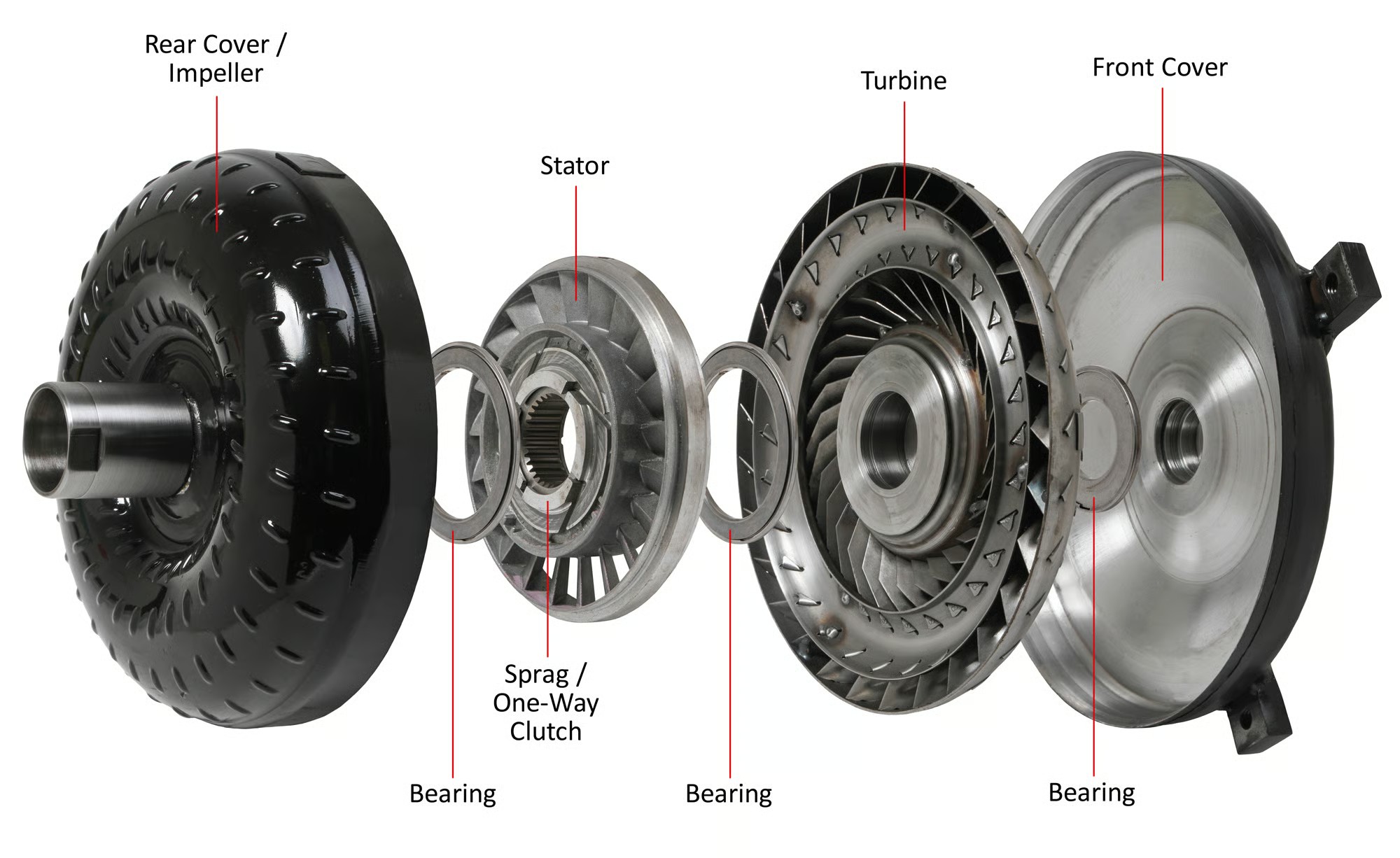
    This article covers the torque converter's function, lock‑up clutch operation, and key failure signs such as shuddering, slipping, and error code P0741. It also discusses why genuine Toyota converters outperform aftermarket options, offering better reliability and fit. Choosing OEM saves you from costly rework and ensures long service life.
    Genuine Toyota Torque Converter – Precision Engineering for Your Automatic Transmission
    2026-07-10
    image
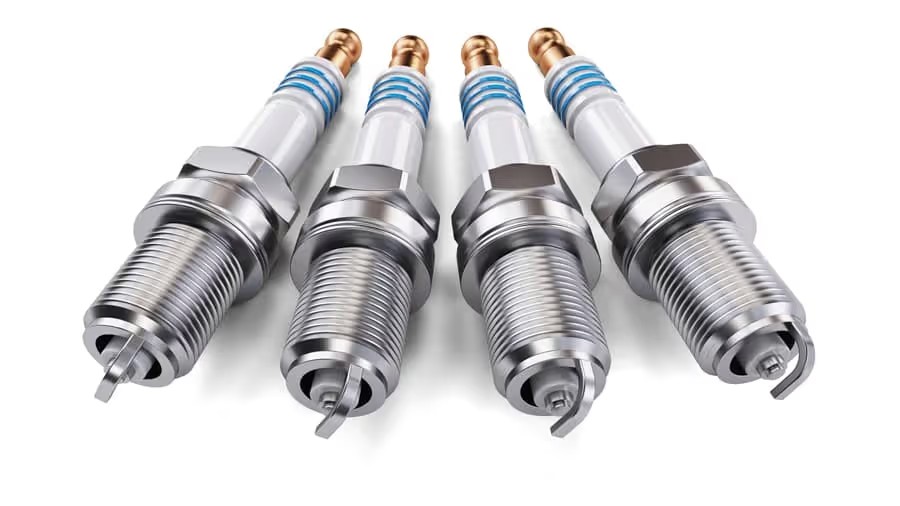
    What Brand of Spark Plug Is Best? A Complete Guide for Car Owners
    2026-06-02
    image
    Selling Silence: How to Explain the Value of Genuine Toyota Door Seals to Your Customers
    2026-05-27

    About

    Company Overview

    Who We Are

    Contact

    Products

    Filters

    Body Panels

    Chassis & control systems

    Electronics

    Tel:

    +86 13810402146

    Email:

    [email protected]

    Address:

    Room 2-1005, building 3, yard 8, Liqing RoadChaoyang District, Beijing, China

    SiteMap

    Copyright © 2021 King Theme v2. Powered by web

    京公网安备 32058302002032号

    (511332)
    0